
DIsaster Recovery made simple
This series helps community leaders move from reactive, unclear recovery planning to a clear, practical, and usable disaster recovery blueprint they can actually implement — without jargon, overwhelm, or shelf-ready binders.
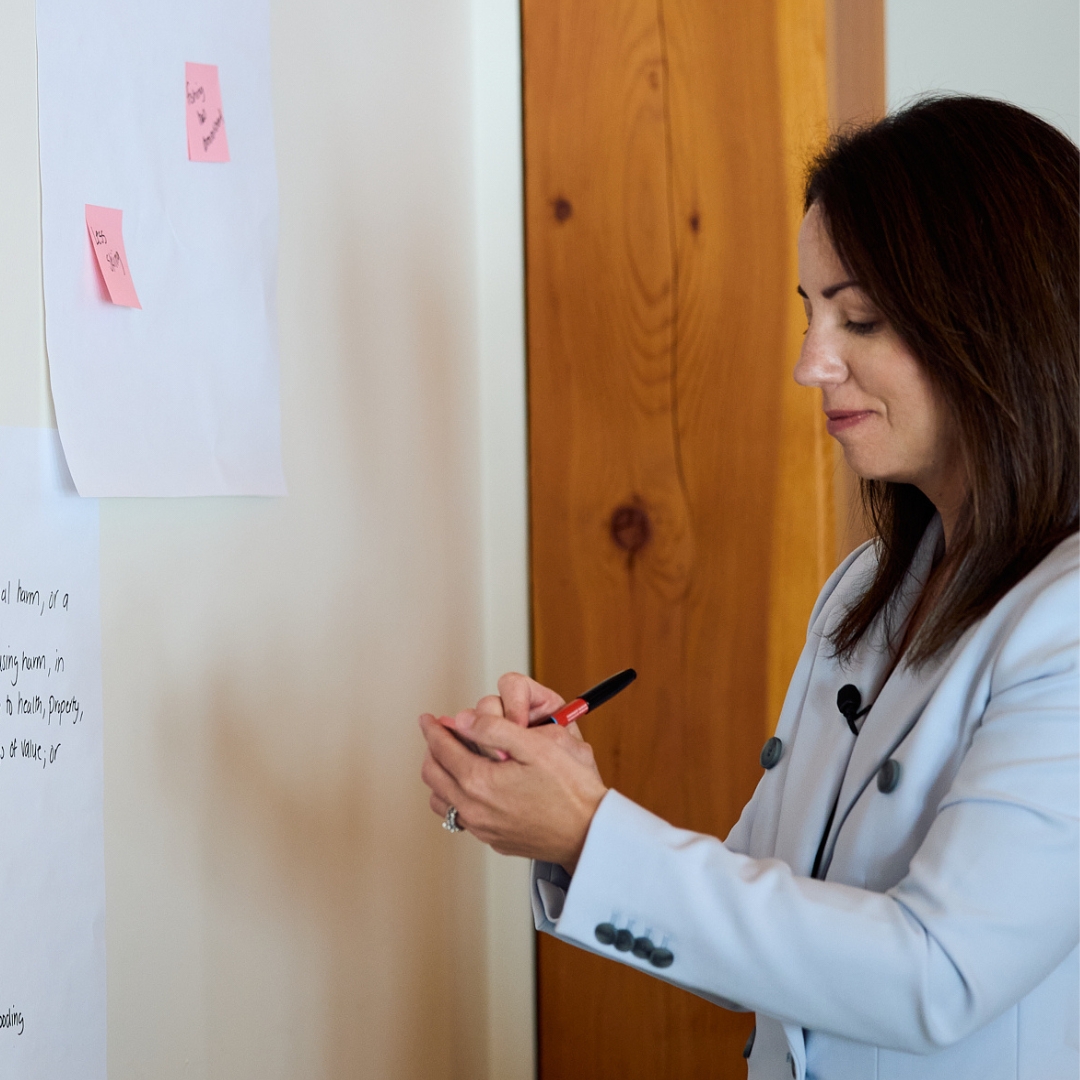
A Blueprint to move from reactive chaos to coordinated recovery
By end of the workshop participants will have:
- Clarity: A simple, structured understanding of what a strong recovery plan really includes and what matters most first.
- A practical blueprint: A step-by-step recovery framework they can adapt to their own community context (municipal or Indigenous).
- Actionable priorities: Clear early actions, roles, and sequencing so leaders know exactly what to do next.
- Barrier reduction: Straightforward ways to work through common recovery obstacles like capacity limits, coordination gaps, compliance pressure, and leadership transitions.
- Confidence & credibility: A recovery approach they can confidently stand behind with Council, Chief & Council, staff, regulators, and community members.
What Makes This Workshop Different
Most disaster recovery training tells people what recovery should look like.
This series shows those responsible for recovery — whether in leadership or technical roles — how to actually lead and manage recovery in the real world. What makes Disaster Recovery Made Simple different:
- Recovery, not response.
While most training focuses on response systems (ICS, EOC operations, tactical actions), this series is dedicated to the least supported and most misunderstood phase: recovery — the phase that determines whether communities truly stabilize, rebuild, and regain control after disaster. - Jargon-free and accessible at all levels.
It is built for anyone with responsibility for recovery, from senior decision-makers to coordinators and managers. The content translates the confusing, behind-the-scenes work of recovery into clear, plain language that supports understanding, planning, and confident leadership. - From theory to a usable recovery blueprint.
Participants don’t just learn concepts; they leave with a structured, practical recovery framework they can adapt for their organization, brief to leadership, use in exercises, and apply during real recovery operations. - Barrier-aware and reality-tested.
The series directly addresses the constraints people actually face: limited capacity, coordination challenges, compliance pressure, political oversight, and burnout — and provides realistic strategies for navigating them, not idealized textbook solutions.

Key Features of Disaster Recovery Made Simple: A Blueprint for Community Leaders
1. A Step-by-Step Recovery Roadmap (Not Just Theory)
You won’t just learn concepts — you’ll be guided through the actual building blocks of a recovery plan, in the right order, so you can move from “we should do this” to “here’s what we’re doing next.”
2. Plain-Language, Jargon-Free Instruction
Complex recovery processes are broken down into clear, practical language that makes sense whether you’re a senior leader, manager, or coordinator. No dense policy speak. No academic models. Just what you need to know to lead recovery with confidence.
3. Designed for Real Capacity, Not Ideal Conditions
The series is built for organizations with limited staff, competing priorities, and stretched resources. Every session acknowledges the realities of small teams, turnover, and siloed departments — and shows you how to make progress anyway.
4. Practical Tools You Can Use Immediately
Participants leave with simple frameworks, checklists, and planning structures they can apply right away — in leadership briefings, internal planning sessions, exercises, and real recovery operations.
5. Flexible, Scalable, and Adaptable to Any Organization Size
Whether you’re a small community with one coordinator or a larger organization with a full EM team, the framework scales to your reality and can grow with your program over time.
Bottom line: This isn’t another awareness course. It’s a practical, confidence-building recovery leadership series that equips the people who will actually be responsible when the response ends and the real work of recovery begins.
Benefits Of Disaster Recovery made simple
1. Confidence to Lead Recovery, Not Just React to It
You move from uncertainty and second-guessing to knowing exactly what recovery involves, what decisions come next, and how to lead your organization through them with clarity.
2. Faster, More Organized Decision-Making
You gain the ability to prioritize actions, sequence work, and allocate limited capacity more effectively — avoiding delays, duplication, and decision paralysis.
3. Stronger Coordination Across Teams and Partners
Recovery roles, responsibilities, and expectations become clearer, improving collaboration between departments, agencies, and leadership when it matters most.
4. Credibility with Leadership, Councils, and the Public
You can speak confidently about recovery plans, progress, and next steps — building trust and demonstrating that your organization is prepared not just to respond, but to recover.
5. Peace of Mind Before the Next Disaster
Perhaps most importantly, you gain the reassurance that when the next event happens, you won’t be starting from scratch. You’ll have a clear, workable recovery approach ready to activate.
Resilience Starts With Understanding Where You Stand
Disaster Recovery Made Simple is a practical, four-part workshop that helps communities move from reactive, unclear recovery planning to a clear, usable recovery blueprint they can actually implement.
Most training focuses on response. This series focuses on what comes next — the complex, high-pressure phase of recovery — and breaks it down into plain language, step-by-step guidance that leaders, managers, and coordinators can use right away.
Participants leave with clarity on what a strong recovery plan really includes, a structured framework they can adapt to their organization, and the confidence to lead recovery with coordination, credibility, and control when it matters most.

R I C (pronounced R-I-C)
Follow Us
RIC acknowledges the traditional lands and territories of the Indigenous peoples who have lived on these lands and taken care of them since time immemorial. We are on Treaty 7 territory, as well as, the historical regional homeland of the Métis, which includes the Battle River Territory. We acknowledge and respect the histories, languages, and diverse cultures of the First Nations, Métis, and all First Peoples that have taken care of this land. We are grateful for their contributions that continue to enrich our communities.